
Download The Free Whitepaper
Industrial automation can transform manufacturing operations — but unrealistic expectations continue to cause expensive failures, poor ROI, and operational frustration.
This free whitepaper breaks down the most common misconceptions manufacturers face when implementing automation systems and explains what successful automation programs actually require.
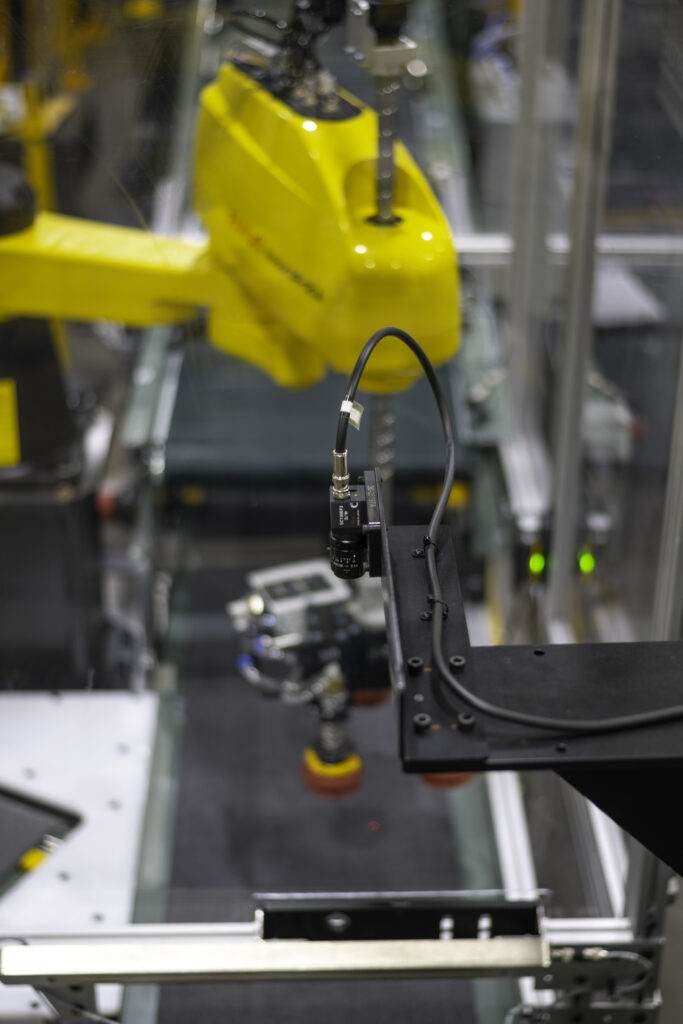
Why Automation Projects Fail
Many automation projects fail long before the robot is ever installed.
The problem is rarely the technology itself.
The real issue is often:
- Unrealistic expectations
- Poor process definition
- Operational inconsistency
- Weak engineering strategy
- Incomplete project planning
Manufacturers are constantly pressured by automation hype, vendor promises, and “plug-and-play” expectations.
But successful automation requires far more than buying a robot.
It requires operational clarity.
This whitepaper helps manufacturing leaders better understand:
- What actually drives automation success
- Why projects underperform
- How to reduce automation risk
- What separates strong automation programs from expensive disappointments
What's Inside the Whitepaper
Why Automation Is Not Plug-and-Play
Understand why long-term operational stewardship matters.
The Truth About 100% Reliability
Why manufacturing variability impacts automation performance.
Lights-Out Manufacturing Realities
What unattended automation actually requires.
Why Cobots Aren’t Always the Right Choice
How application requirements determine robot selection.
The Hidden Cost of Low-Bid Automation
Why engineering quality matters more than initial price.
The 80/20 Rule for Automation ROI
Why selective automation often outperforms full automation.
How Process Consistency Drives Performance
Why upstream operations impact downstream reliability.
Why Design Specifications Matter
How technical clarity reduces project risk and change orders.