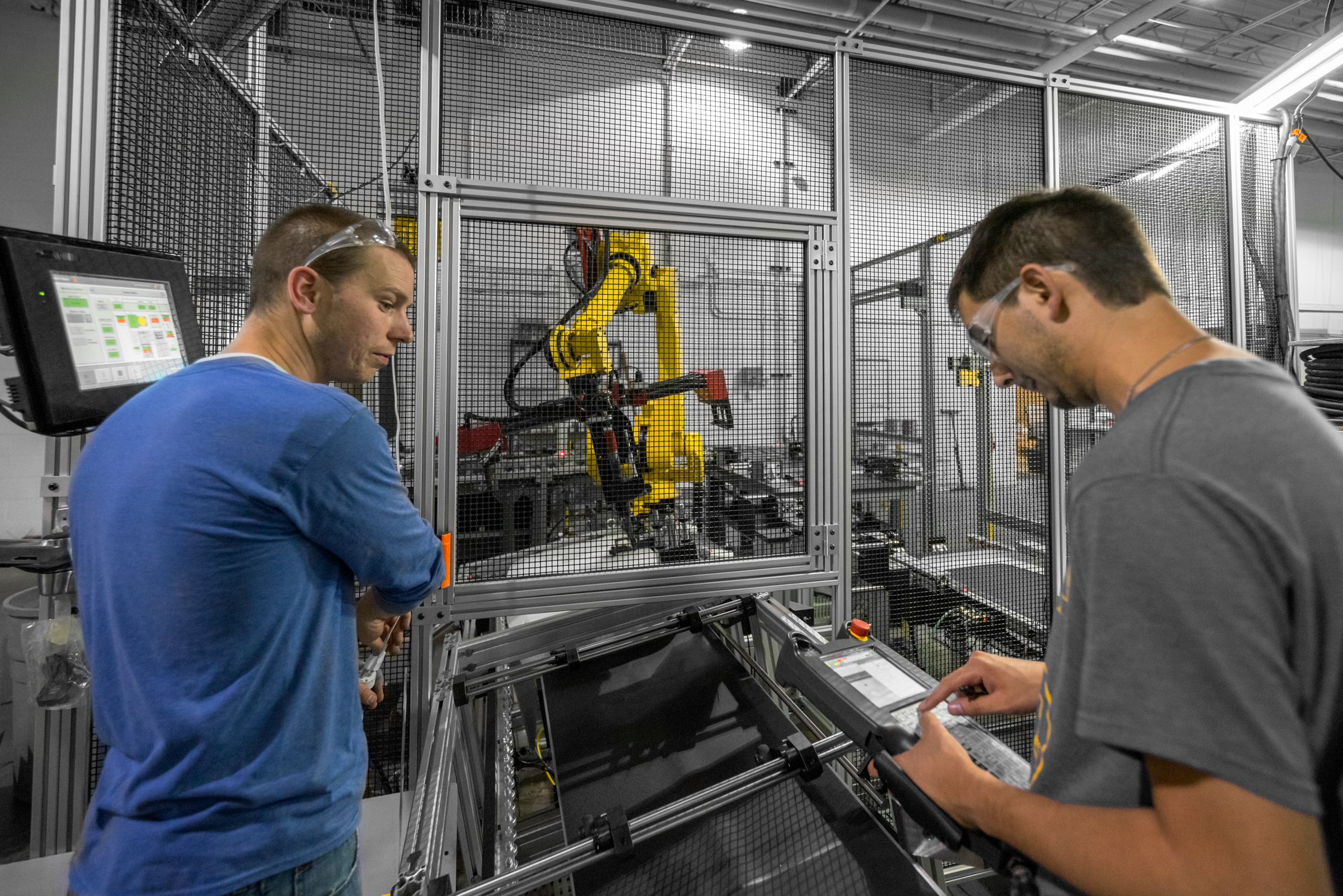
Automation can be a powerful tool for improving job satisfaction and creativity in the workplace. By automating mundane tasks and providing employees with access to data and insights, companies can free up their employees’ time and energy to focus on tasks that require human skills and expertise. However, it’s important to approach automation from a human-centered perspective and involve employees in the process. This will ensure that automation is being used in a way that benefits both the business and its employees.
FAQs
Q: Does automation replace workers?
Automation does not simply replace workers. In many manufacturing environments, it shifts people away from repetitive or hard-to-fill tasks and toward setup, oversight, maintenance, quality, and higher-value production activities.
Q: What are common misconceptions about automation?
Common misconceptions include the idea that automation only works for very large companies, always requires full lights-out manufacturing, eliminates jobs outright, or only delivers value in extremely high-volume lines. In practice, fit depends on the process and the problem being solved.
Q: Why is the human role still important in automated manufacturing?
People remain critical because automation still depends on process knowledge, changeover management, troubleshooting, continuous improvement, and decision-making. The best results come from combining human judgment with machine consistency.