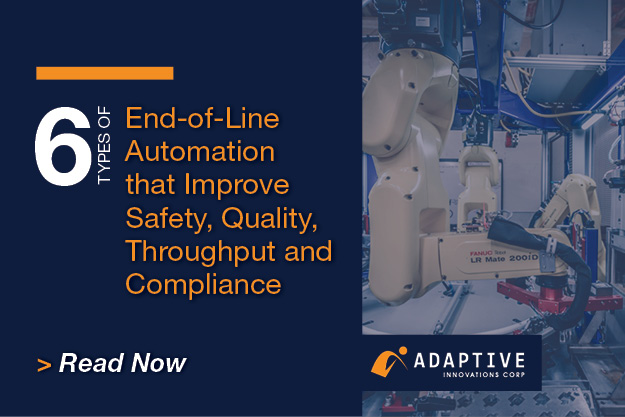
Collaborative robotics is the future of safe and productive manufacturing. Cobots provide a safer work environment, reduce the risk of injuries and accidents, and increase productivity. They are designed to work alongside human operators, making them a valuable addition to any production line. Cobots are also easy to program, learn from human operators, and are flexible, making them an ideal solution for manufacturing.
The benefits of cobots go beyond the manufacturing industry. Cobots can be used in various sectors, including healthcare, logistics, and agriculture. They are also excellent tools for research and education.
As the use of cobots continues to grow, we can expect to see more innovations in collaborative robotics. Cobots will become more advanced, safer, and easier to use, making them an essential tool for industries that value safety and productivity.
FAQs
Q: What is a collaborative robot?
A collaborative robot, or cobot, is a robot designed to work more closely with people than a traditional industrial robot, often with safety-focused features and a smaller automation footprint. It is commonly used for flexible, repetitive tasks that benefit from human oversight.
Q: When does a cobot make sense in manufacturing?
A cobot makes sense when the task is repetitive, ergonomically difficult, or labor intensive, but the environment still benefits from human involvement, simpler deployment, or frequent changeovers. It is not always the best choice for the highest-speed applications.
Q: How do cobots support workforce productivity?
Cobots can support workforce productivity by taking over repetitive motions, reducing strain, and allowing employees to focus on supervision, exception handling, quality, or higher-value process tasks. The strongest applications improve both performance and job design.