Sustainability:
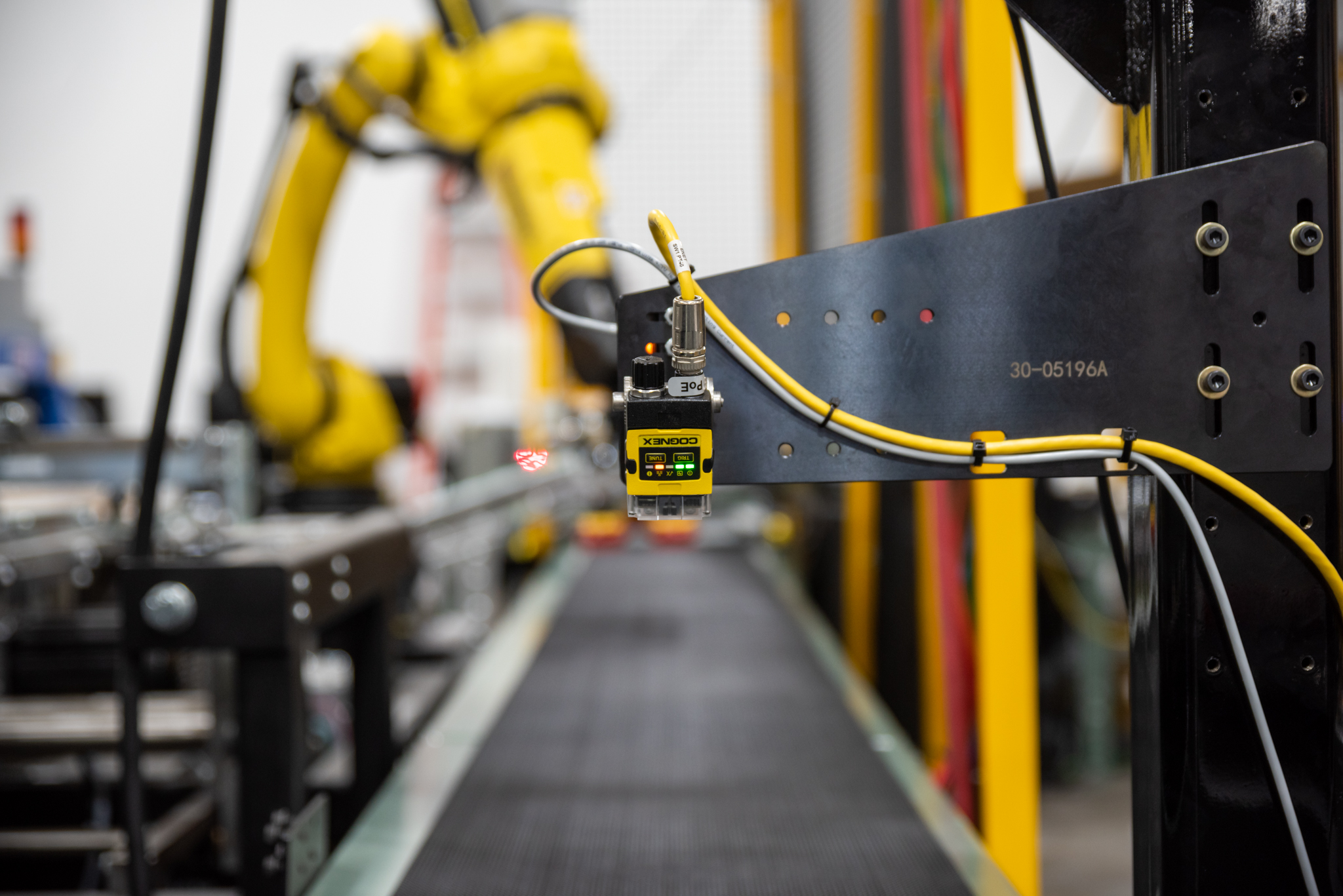
Sustainability is another major concern for the food industry. With the growing global population, food producers are under pressure to find ways to produce more food sustainably. Automation and cobots can help in this regard by reducing waste and increasing efficiency. For example, automated systems can be used to sort and package fruits and vegetables, reducing the amount of waste that is produced. Cobots can also be used to assist with farming tasks, such as planting and harvesting, reducing the need for human labor.
FAQs
Q: How is automation used in food manufacturing?
Automation in food manufacturing is commonly used for material handling, machine tending, inspection, packaging, palletizing, and other repetitive production tasks. The main goal is to improve throughput, consistency, safety, and responsiveness in a high-demand operating environment.
Q: What are the biggest benefits of robotics and AI in food production?
The biggest benefits usually include faster processing, more consistent product handling, better inspection accuracy, lower manual strain, and improved line efficiency. AI becomes especially valuable when a manufacturer needs better decision-making, pattern recognition, or adaptive quality control.
Q: What should a food manufacturer evaluate before investing in automation?
A food manufacturer should assess sanitation requirements, product variability, line speed, labor pain points, safety risks, available floor space, and the specific process constraint that is limiting performance today. The best automation projects solve a defined operational problem, not a vague desire to modernize.