Rise of the Smart Factory
Picture this: a factory where machines work seamlessly alongside humans, where production is not just efficient but also highly adaptable, where data drives decisions in real-time. This isn’t science fiction; it’s the world of smart manufacturing. In this blog post, we’ll dive into the fascinating realm of industrial robots and explore how they’re turning traditional factories into cutting-edge, data-driven smart factories. Buckle up – the future of manufacturing is here!
The Smart Manufacturing Revolution
Embracing Industry 4.0
The fourth industrial revolution, aptly named Industry 4.0, is all about interconnecting machines, products, and people. It’s about harnessing the power of data and automation to revolutionize manufacturing. Central to this revolution are industrial robots, which are not the clunky, single-purpose machines of the past, but agile, versatile, and highly intelligent beings.
The Heart of a Smart Factory: Industrial Robots
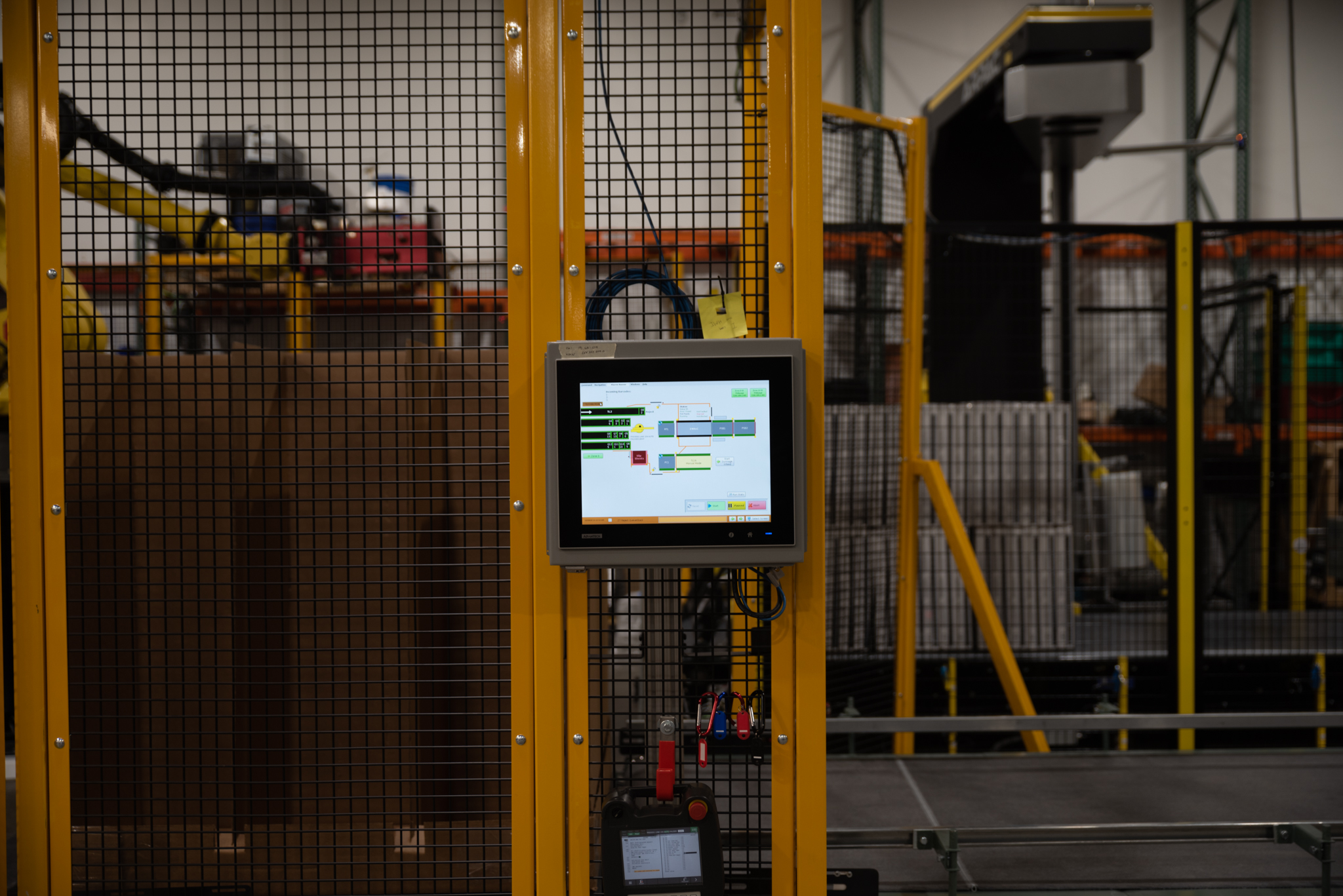
Industrial robots are the backbone of smart factories. They come in all shapes and sizes, from the nimble robotic arms to autonomous mobile robots. These machines aren’t just programmed to do repetitive tasks; they’re equipped with sensors, cameras, and artificial intelligence that enable them to adapt to changing conditions and even learn from their experiences.
Increased Efficiency and Precision
Imagine a car assembly line where robots delicately weld, paint, and assemble with surgical precision. No fatigue, no errors, just perfection. This level of accuracy not only ensures product quality but also significantly reduces waste.
Enhanced Safety for Workers
With robots handling dangerous or physically demanding tasks, workers can breathe easy. The risk of injury decreases, and humans can focus on more intellectually engaging and strategic roles within the factory.
The Power of Data in Smart Factories
Real-time Monitoring and Optimization
In smart factories, data is king. Industrial robots continuously collect data on production processes. This data is then analyzed in real-time, allowing for quick adjustments and optimizations. For instance, if a robot detects a deviation from the norm, it can adjust its actions, reducing defects and production downtime.
Predictive Maintenance
Thanks to sensors and data analysis, robots can predict when they might need maintenance, reducing unexpected breakdowns. This proactive approach keeps production lines running smoothly.
The Human-Robot Collaboration
Coexisting Harmoniously
Smart factories are not just about replacing humans with robots. They’re about humans and robots working together synergistically. Industrial robots handle the heavy lifting, while humans provide creativity, critical thinking, and problem-solving skills.
Upskilling the Workforce
As factories become smarter, the skills required from the workforce evolve. Employees are encouraged to develop their tech-savviness and analytical thinking. This upskilling prepares them for more rewarding roles within the smart factory ecosystem.
Challenges on the Horizon
Initial Investment
The transformation into a smart factory requires a significant initial investment in robotics and data infrastructure. However, the long-term benefits often outweigh the upfront costs.
Cybersecurity Concerns
With increased connectivity comes an increased risk of cyberattacks. Smart factories need robust cybersecurity measures to protect sensitive data and operations.
Conclusion: A Bright Future Beckons
The transformation of traditional factories into smart factories, powered by industrial robots, is nothing short of a revolution. It’s a shift towards more efficient, sustainable, and adaptive manufacturing. While challenges exist, the potential rewards in terms of productivity, safety, and quality are immense.
So, as we step into this brave new world of manufacturing, remember that the industrial robots aren’t here to replace us; they’re here to enhance our capabilities and make our factories smarter, more competitive, and more resilient. Welcome to the era of smart manufacturing – the future is now, and it’s incredibly exciting!
FAQs
Q: How are robotics used in modern manufacturing?
Robotics are used for assembly, machine tending, palletizing, material handling, inspection support, and other repetitive tasks that benefit from speed and repeatability. Their value increases when they are integrated into a broader process rather than deployed as standalone hardware.
Q: What are the main benefits of robotics in manufacturing?
The main benefits usually include better precision, higher throughput, more stable quality, reduced labor strain, and improved process consistency. The strongest gains occur when robotics solve a defined bottleneck instead of being added for technology’s sake.
Q: What should a manufacturer consider before integrating robotics?
A manufacturer should review cycle-time needs, part presentation, tooling, safety requirements, floor space, process variation, and the skill needed to support the system after installation. Successful robotics projects depend as much on integration quality as on the robot itself.