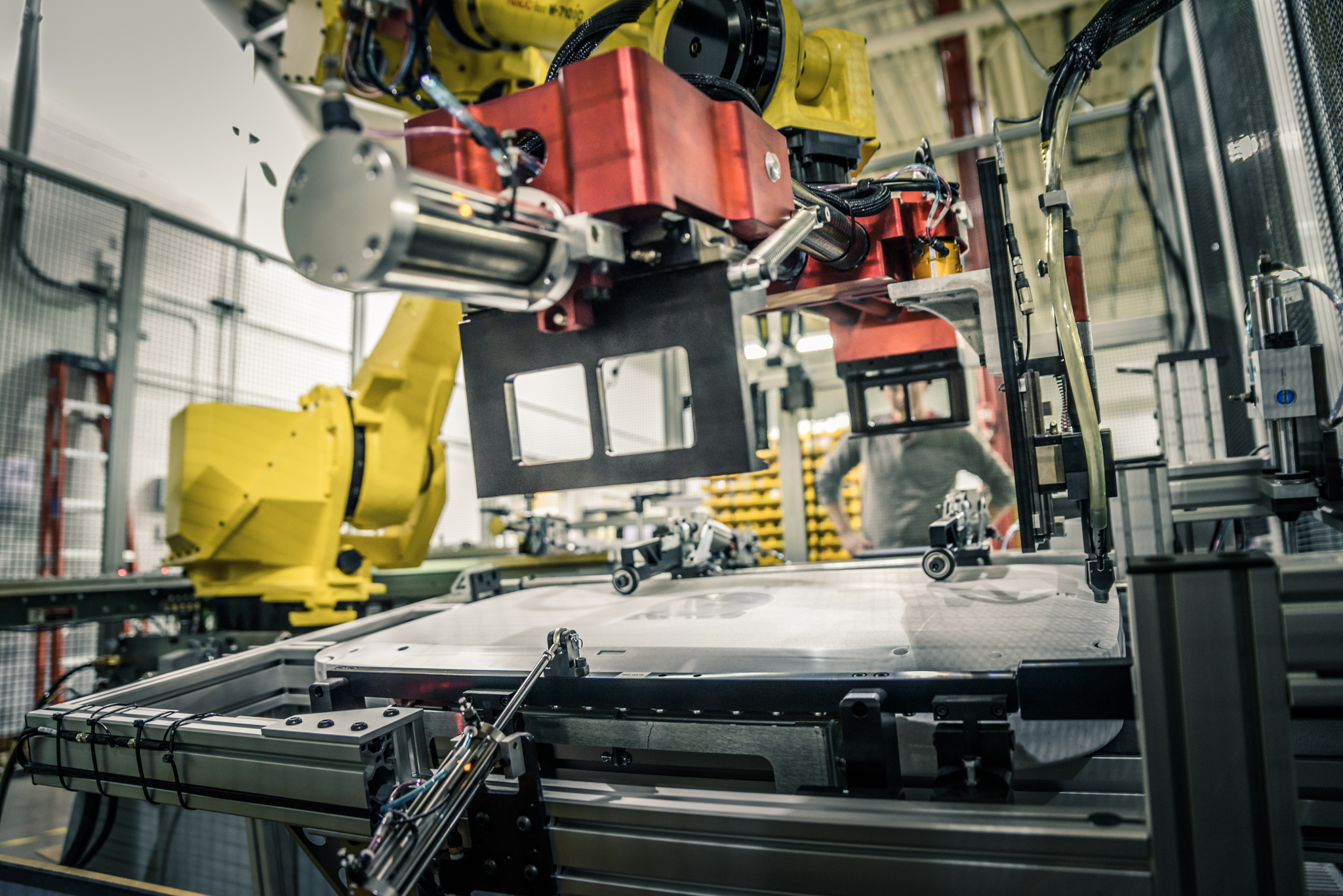
The integration of robotics in manufacturing has led to a paradigm shift in efficiency, precision, and scalability. As companies increasingly adopt robotic solutions, they can optimize their processes, reduce human error, and improve overall productivity.
Advantages of Robotics Integration
- Enhanced Precision – Robots are programmed for highly precise tasks, reducing variability and ensuring product consistency.
- Increased Productivity – Unlike human workers, robots can operate 24/7 without fatigue, drastically improving output.
- Improved Workplace Safety – Dangerous and repetitive tasks can be handled by robots, reducing workplace injuries.
- Cost Efficiency – Although initial investments may be high, robotic systems lead to long-term cost savings in labor and waste reduction.
- Scalability – As production demands change, robots can be reprogrammed or adapted to new tasks with minimal downtime.
Industries Benefiting from Robotics
- Automotive Manufacturing – Robots handle welding, painting, and assembly with unmatched precision.
- Electronics Production – Delicate components require precise robotic placement and soldering.
- Healthcare & Pharmaceuticals – Robotic automation ensures accuracy in drug manufacturing and packaging.
- Food & Beverage Processing – Automation aids in quality control, packaging, and product handling.
- Overcoming Implementation Challenges
- High Initial Costs: Companies can explore leasing options or phased implementation to manage costs.
- Employee Training: Upskilling workers to operate and maintain robotic systems ensures smooth integration.
- Customization Needs: Selecting robots that can be programmed for various tasks enhances adaptability.
The adoption of robotics in manufacturing has proven to be a game-changer, driving efficiency, precision, and scalability. As technology continues to advance, robotics integration will remain a critical component of industrial automation.
FAQs
Q: How are robotics used in modern manufacturing?
Robotics are used for assembly, machine tending, palletizing, material handling, inspection support, and other repetitive tasks that benefit from speed and repeatability. Their value increases when they are integrated into a broader process rather than deployed as standalone hardware.
Q: What are the main benefits of robotics in manufacturing?
The main benefits usually include better precision, higher throughput, more stable quality, reduced labor strain, and improved process consistency. The strongest gains occur when robotics solve a defined bottleneck instead of being added for technology’s sake.
Q: What should a manufacturer consider before integrating robotics?
A manufacturer should review cycle-time needs, part presentation, tooling, safety requirements, floor space, process variation, and the skill needed to support the system after installation. Successful robotics projects depend as much on integration quality as on the robot itself.