
The Benefits of Customized Manufacturing Solutions

Learn about the benefits of customized manufacturing solutions for businesses, including improved efficiency, customer satisfaction, and supply chain management …
The Importance of Quality Control in Palletizing Automation
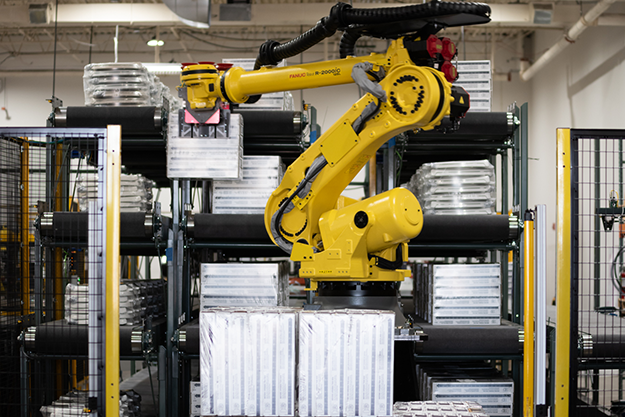
Back to all insights Palletizing automation has become increasingly popular among manufacturers, thanks to the numerous benefits it offers. Automation allows for faster, more efficient, and cost-effective production processes, which can lead to increased output and higher profits. By using palletizing automation, manufacturers can also reduce their reliance on manual labor, minimizing the risk of workplace injuries and errors. However, with the implementation of automated systems, it becomes crucial to ensure that the quality of the products being produced remains consistent, of high quality, and meets customer expectations. Quality control in palletizing automation involves inspecting and testing products at various stages of the manufacturing process, from the inspection of incoming goods to the testing of finished products before they are shipped out. Implementing a quality control process in palletizing automation can bring several benefits, including improving efficiency, reducing costs, and ensuring customer satisfaction. By catching defects early on, manufacturers can reduce the amount of waste and rework, which can lead to significant cost savings. Additionally, ensuring that products meet or exceed customer expectations can lead to increased customer loyalty and positive brand recognition. In this blog post, we will delve into the critical role of quality control in palletizing automation and explore the different aspects of quality control that are crucial for maintaining high-quality standards in the manufacturing process. We will provide tips and best practices for implementing a quality control system in palletizing automation, as well as the benefits of using automated quality control tools. By the end of this post, you will have a better understanding of the importance of quality control in palletizing automation and how to implement an effective quality control process to achieve optimal results. The Importance of Quality Control in Palletizing Automation Quality control is a crucial part of the manufacturing process. It involves ensuring that products meet the required standards of quality and consistency before they are released to the market. In palletizing automation, quality control plays an essential role in ensuring that the process is error-free and that products are delivered on time and to the right specifications. By implementing a quality control process in palletizing automation, manufacturers can enjoy several benefits, including: Improved Efficiency Quality control plays a significant role in improving the efficiency of the production process in palletizing automation. By detecting errors early on in the process, manufacturers can eliminate them before they lead to costly rework or scrap. This not only saves time and resources but also helps to ensure that products are produced consistently and to the required standards, which can lead to increased customer satisfaction and loyalty. In addition to improving product quality, quality control can also increase production speed. When errors are caught and corrected quickly, production can continue uninterrupted, without the need for costly and time-consuming delays. This leads to increased output and more efficient use of resources, which can translate to higher profits for manufacturers. Furthermore, implementing a quality control process can help to reduce overall production costs. By minimizing errors and rework, manufacturers can save money on materials and labor costs. Additionally, catching defects early on in the process can help to prevent more significant issues downstream, which can result in even more significant cost savings. In summary, quality control plays a critical role in improving the efficiency of the production process in palletizing automation. By identifying and eliminating errors, manufacturers can increase production speed, improve product quality, and reduce overall production costs. This, in turn, can lead to increased customer satisfaction and loyalty, as well as higher profits for the manufacturer. Cost savings Implementing a quality control process in palletizing automation can help manufacturers achieve significant cost savings. By detecting and correcting errors early on in the process, manufacturers can minimize the need for costly rework or scrap, which can help to reduce overall production costs. Quality control can also help to eliminate waste and increase efficiency, further reducing production costs. For example, by identifying defective or damaged products early on, manufacturers can prevent the production of additional defective products, minimizing the waste of raw materials and resources. This, in turn, can lead to more efficient use of resources and cost savings for the manufacturer. In addition to cost savings, quality control can also lead to increased customer satisfaction. By delivering high-quality products that meet customer needs, manufacturers can build a positive reputation and establish a loyal customer base. This can lead to repeat business, word-of-mouth referrals, and ultimately, increased profits for the manufacturer. Overall, the implementation of a quality control process in palletizing automation can bring significant cost savings and improve customer satisfaction by delivering high-quality products that meet or exceed customer expectations. By identifying errors, minimizing waste, and improving efficiency, manufacturers can reduce overall production costs and achieve a more sustainable, profitable business. Increased Customer Satisfaction Customer satisfaction is a crucial aspect of any business, including palletizing automation. Customers expect products that meet their specifications and are of high quality. Failing to meet these expectations can lead to negative reviews, reduced sales, and loss of customers. Implementing a quality control process in palletizing automation can help manufacturers meet customer expectations and improve customer satisfaction. By detecting and correcting errors early on in the production process, manufacturers can prevent the production of defective or substandard products, which can lead to dissatisfied customers. Additionally, a quality control process can help to ensure that products are consistent and meet customer specifications, which can lead to increased customer satisfaction and loyalty. By delivering high-quality products consistently, manufacturers can build a positive reputation and establish long-term relationships with their customers. Furthermore, a quality control process can help manufacturers identify and address customer concerns quickly, further improving customer satisfaction. By responding to customer complaints promptly and taking corrective action, manufacturers can demonstrate their commitment to delivering high-quality products and providing excellent customer service. In summary, implementing a quality control process in palletizing automation can help manufacturers meet customer expectations, improve customer satisfaction, and establish long-term relationships with their customers. By delivering high-quality products consistently